Back Health Day: How Exoskeletons Can Reduce Physical Strain at Work
Back Health Day: How Exoskeletons Can Reduce Physical Strain at Work
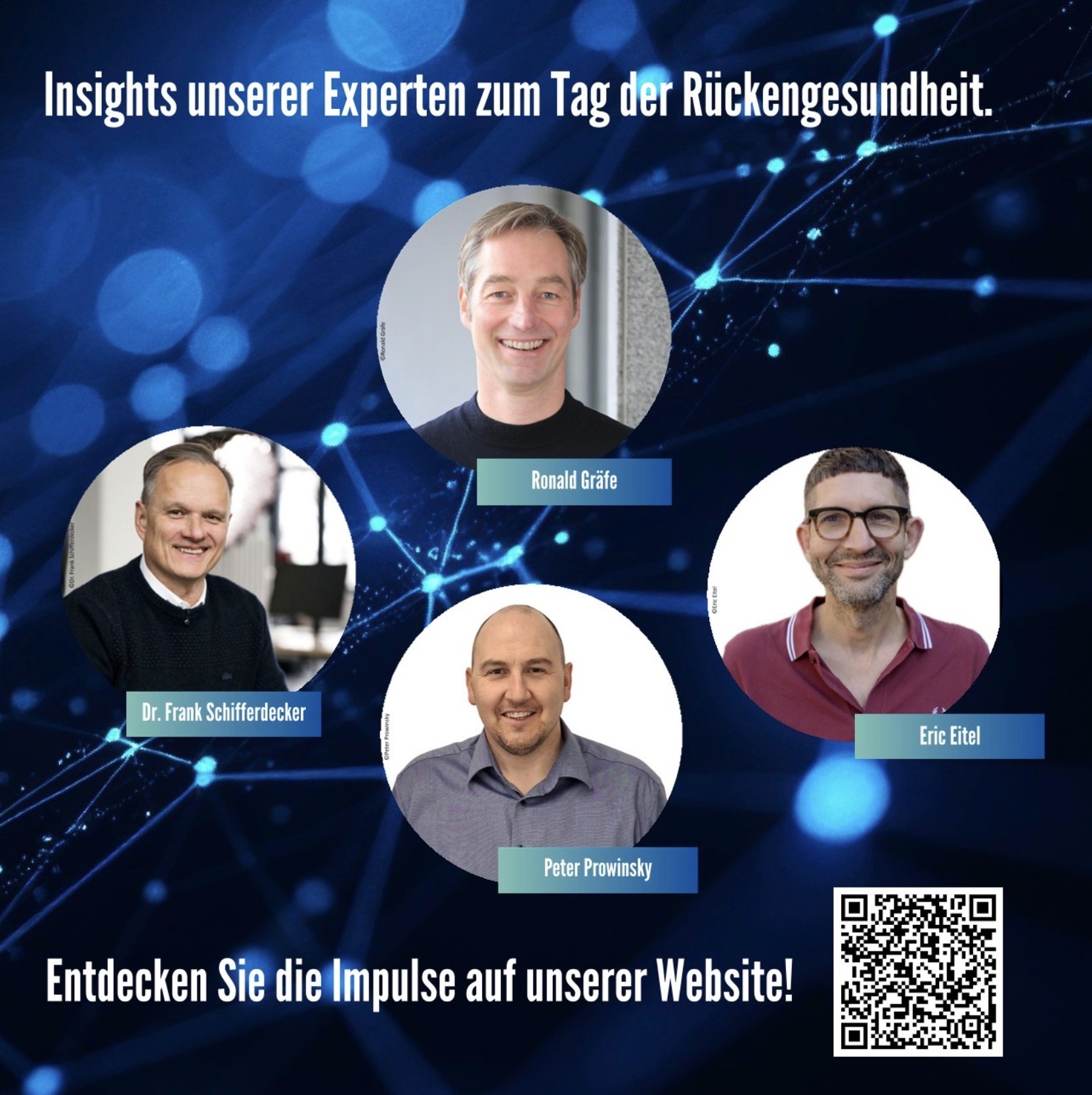
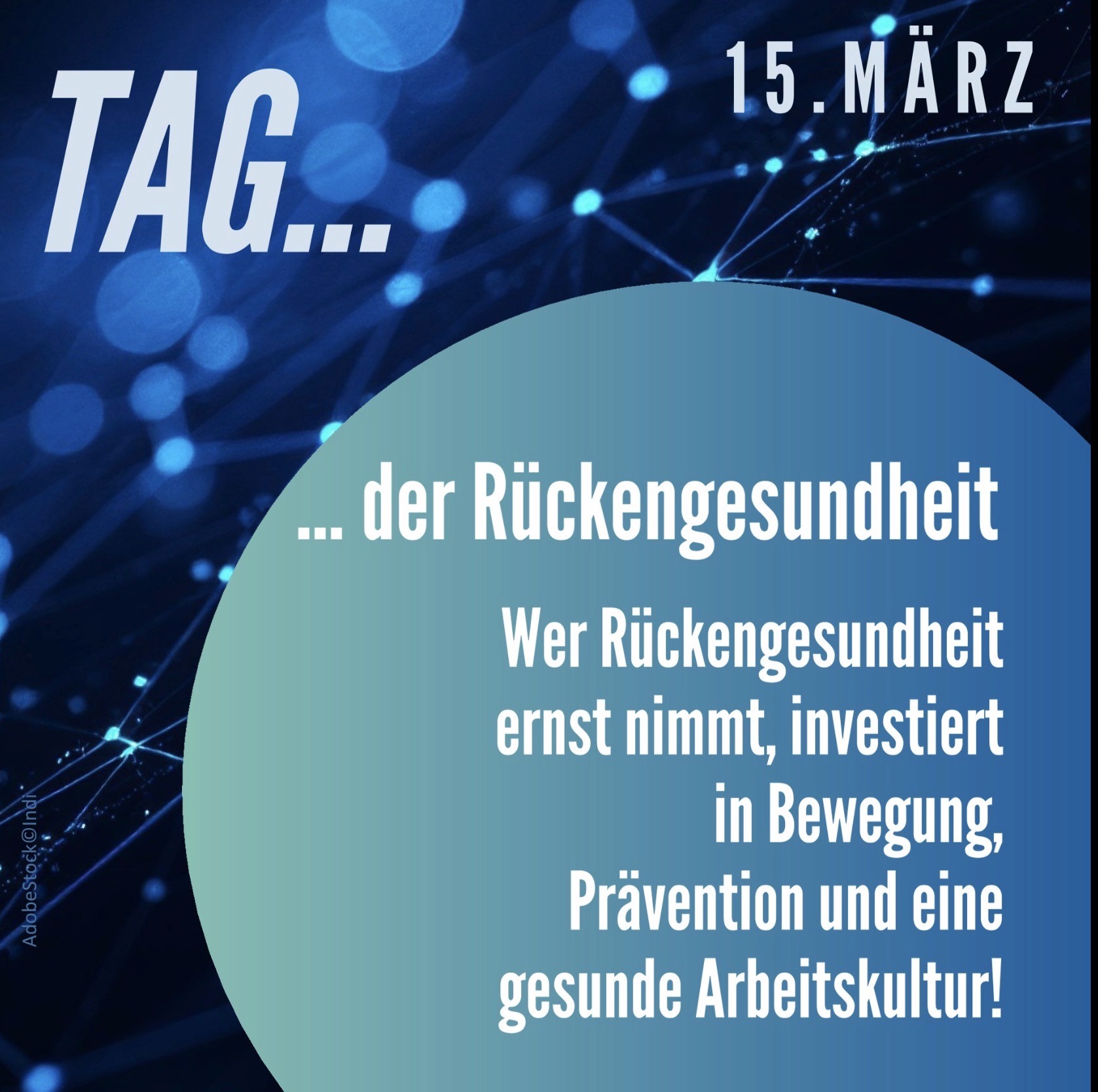
Back Health Day draws attention to the growing impact of musculoskeletal disorders and back pain in physically demanding professions. Across industries such as logistics, manufacturing, healthcare, and construction, these conditions remain a leading cause of sick leave and lost productivity—highlighting the need for effective prevention and ergonomic solutions in the workplace.
Back Health Day draws attention to the growing impact of musculoskeletal disorders and back pain in physically demanding professions. Across industries such as logistics, manufacturing, healthcare, and construction, these conditions remain a leading cause of sick leave and lost productivity—highlighting the need for effective prevention and ergonomic solutions in the workplace.
Copy link to share
Copy link to share
Link copied to clipboard !
Copy link to share
Link copied to clipboard !
Back Health Day highlights the importance of maintaining a healthy back—especially in professions that involve physically demanding work. Musculoskeletal disorders (MSDs) and back pain remain among the most common occupational health problems and are a leading cause of sick leave and lost workdays across industries such as logistics, manufacturing, healthcare, and construction.
Against this backdrop, technology-driven ergonomic solutions are gaining increasing relevance. Together with Bayern Innovativ, we discussed how emerging technologies can help reduce physical strain at work and support healthier working conditions.
Exoskeletons for Workplace Ergonomics and Back Health
At German Bionic, we develop AI-powered exoskeletons such as EXIA, designed to support workers performing physically demanding tasks. These smart wearable systems assist with activities like lifting, carrying, and repetitive movements, which are among the primary causes of lower back strain in the workplace.
Using advanced sensors and intelligent software, the exoskeleton analyzes movement patterns in real time and dynamically adjusts the level of support provided to the wearer. This helps reduce physical strain and improve workplace ergonomics.
German Bionic spokesperson Eric Eitel emphasizes:
“AI-powered exoskeletons can play an important role in reducing the physical burden of demanding tasks and helping to create healthier workplaces.”
Innovation for Healthier Workplaces
The exchange with Bayern Innovativ highlights the importance of collaboration between technology companies, health research, and industry in developing innovative solutions for healthier working environments.
As demographic change, labor shortages, and increasing physical workplace demands reshape many industries, exoskeletons and assistive technologies are becoming an integral part of modern strategies for occupational safety, ergonomics, and workforce health.
👉 Interested in learning more about how AI-powered exoskeletons can support your workforce?
Our team would be happy to discuss how solutions like EXIA can help keep employees healthy, safe, and productive.
Back Health Day highlights the importance of maintaining a healthy back—especially in professions that involve physically demanding work. Musculoskeletal disorders (MSDs) and back pain remain among the most common occupational health problems and are a leading cause of sick leave and lost workdays across industries such as logistics, manufacturing, healthcare, and construction.
Against this backdrop, technology-driven ergonomic solutions are gaining increasing relevance. Together with Bayern Innovativ, we discussed how emerging technologies can help reduce physical strain at work and support healthier working conditions.
Exoskeletons for Workplace Ergonomics and Back Health
At German Bionic, we develop AI-powered exoskeletons such as EXIA, designed to support workers performing physically demanding tasks. These smart wearable systems assist with activities like lifting, carrying, and repetitive movements, which are among the primary causes of lower back strain in the workplace.
Using advanced sensors and intelligent software, the exoskeleton analyzes movement patterns in real time and dynamically adjusts the level of support provided to the wearer. This helps reduce physical strain and improve workplace ergonomics.
German Bionic spokesperson Eric Eitel emphasizes:
“AI-powered exoskeletons can play an important role in reducing the physical burden of demanding tasks and helping to create healthier workplaces.”
Innovation for Healthier Workplaces
The exchange with Bayern Innovativ highlights the importance of collaboration between technology companies, health research, and industry in developing innovative solutions for healthier working environments.
As demographic change, labor shortages, and increasing physical workplace demands reshape many industries, exoskeletons and assistive technologies are becoming an integral part of modern strategies for occupational safety, ergonomics, and workforce health.
👉 Interested in learning more about how AI-powered exoskeletons can support your workforce?
Our team would be happy to discuss how solutions like EXIA can help keep employees healthy, safe, and productive.
 ロゴ
ロゴ